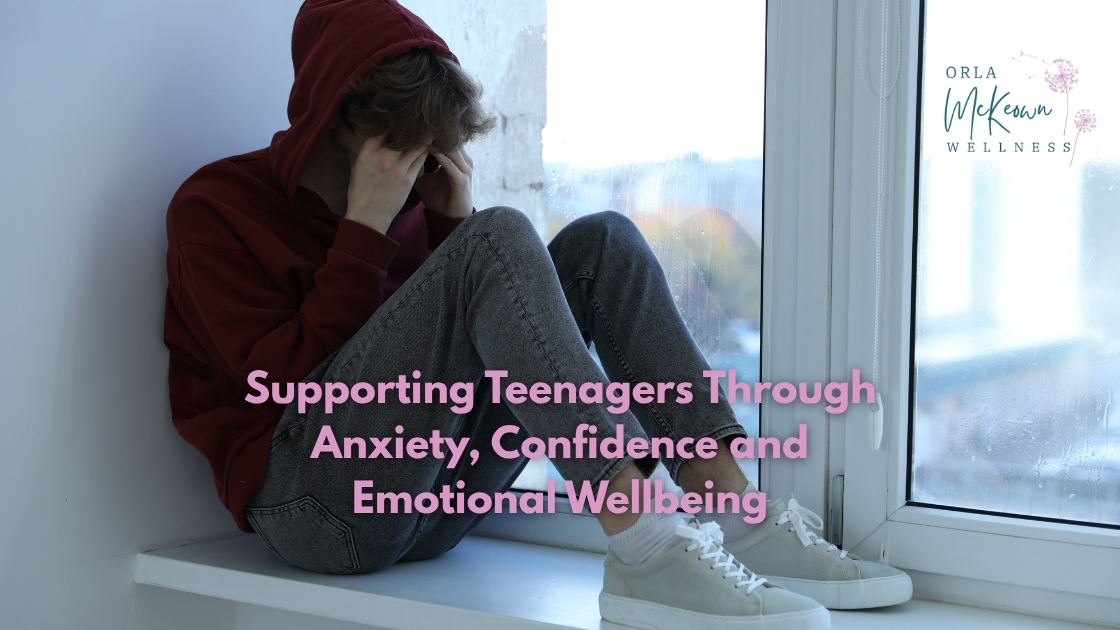

Working with teenagers is one of the most rewarding parts of what I do. Adolescence is a time of enormous change, not just physically but emotionally and mentally as well. Young people today are navigating academic pressure, friendships, social media, uncertainty about the future and, for many, the additional challenges that come with anxiety, ADHD or being neurodivergent. It’s no wonder that so many of them feel overwhelmed. What I love most about this work is watching a young person begin to understand themselves in a completely different way. You can almost see the moment everything starts to make sense, when they realise they aren’t broken and that what they’re experiencing can change. One important phrase I often use is “ you are not your behaviour, you are its positive intention”. The behaviour, if negative, can simply be a communication to parents/care givers that something needs releasing or healing and often learning coping strategies can help rewire unwanted behaviour.
Many of the teenagers who come to see me are struggling with school-related anxiety, school avoidance, social anxiety or a loss of confidence. Others simply find it difficult to express how they’re feeling. They may shut down when someone asks if they’re okay, or they might not have the words to explain what’s going on inside. As adults, we often expect teenagers to talk about their emotions, but the reality is that many of them genuinely don’t know how. Their feelings can seem confusing, intense and difficult to understand, even for themselves. This can be equally frustrating for parents who feel lost and don’t know how to help their child.
Creating a space where they feel safe is always my first priority. Building trust and rapport comes before anything else because real change only happens when a young person feels seen, heard and accepted without judgement. I also bring a sense of fun into every session. Therapy doesn’t have to feel formal or intimidating. In fact, I have found that when teenagers begin to relax and enjoy themselves, they become much more open to exploring what is happening beneath the surface.
One of the ways we do this is through creative exercises that help them express emotions without having to find the perfect words. Sometimes we’ll draw around the outline of the body on a large sheet of paper. Other times, if that feels a little too much, a simple gingerbread figure is all we need. From there, they begin adding colours, shapes, textures and symbols to represent what they’re experiencing. Anxiety might become a swirling grey cloud in the chest. Anger could appear as jagged red lines in the shoulders. Worry might be a heavy knot sitting in the stomach. These images aren’t about artistic ability. They’re about giving emotions a voice when words simply aren’t enough.
What I find fascinating is how quickly young people connect with this process. Instead of feeling consumed by their emotions, they begin to see them differently. The anxiety is no longer who they are. It’s something they can observe, understand and eventually change. They soon realise they are not their behaviour they are the good intentions of the behaviour. This gentle shift in perspective can be incredibly empowering because it creates distance between the young person and the feeling itself.
From there, we introduce simple bilateral eye movement techniques, relaxation exercises and grounding practices that help calm the nervous system. These techniques support the brain in processing emotions more effectively while encouraging the body to move away from the familiar fight, flight or freeze response. Teenagers often tell me they feel lighter afterwards, even if they can’t quite explain why. Their body simply feels calmer, and that sense of calm becomes something we can build upon.
One of my favourite parts of our work together is helping teenagers discover that they already have the resources they need within themselves. Rather than focusing on the anxiety they want to get rid of, I gently ask them what they would rather feel instead. Their answers are often beautifully simple. They want to feel calm, confident, relaxed, happy or safe. Once they’ve identified that positive emotion, we strengthen it using visualisation and anchoring techniques, giving them a practical tool they can use long after they leave my therapy room.
Imagine a teenager walking into an exam feeling the familiar rise of anxiety. Instead of becoming overwhelmed, they can use the anchor we’ve created together to reconnect with feelings of confidence and calm. Rather than their nervous system automatically moving into panic, they have another pathway to follow. It doesn’t mean life suddenly becomes free of challenges, but it gives them a way of responding differently, and that can make an enormous difference to how they experience school, friendships and everyday life.
One of the things I love most about working with young people is witnessing their confidence grow as they begin to understand how their mind works. They start to recognise that anxiety itself can become a habit, a learned response that the subconscious mind repeats because it believes it is keeping them safe. Once they understand this, they also begin to realise that habits can be changed. New patterns can be created. Confidence can grow. Calm can become their new normal.
Alongside my private practice, I also work within schools, supporting teenagers in an environment where many of their challenges naturally arise. This has given me a deeper understanding of the pressures they face every day and reinforces my belief that emotional wellbeing should be nurtured just as much as academic achievement. When young people are given the tools to regulate their emotions, understand themselves and build resilience, those skills stay with them long after our sessions have finished.
Every teenager deserves to feel accepted for who they are, not judged for what they’re struggling with. My role isn’t to change who they are. It’s to help them uncover the confidence, resilience and inner strength that has always been there, waiting to emerge. Watching that transformation unfold is one of the greatest privileges of my work, and it reminds me every day why I love helping young people discover that they are capable of far more than they ever believed.
Disclaimer: The therapies and techniques described are complementary approaches designed to support emotional wellbeing. They are not a substitute for medical advice, diagnosis or treatment. Individual results may vary. Where appropriate, clients should also seek support from their GP or other qualified healthcare professionals.


